West Hollywood highlight
Dense urban character
West Hollywood is a walkable, densely developed neighborhood with mixed-use buildings, narrow streets, and proximity to transit.
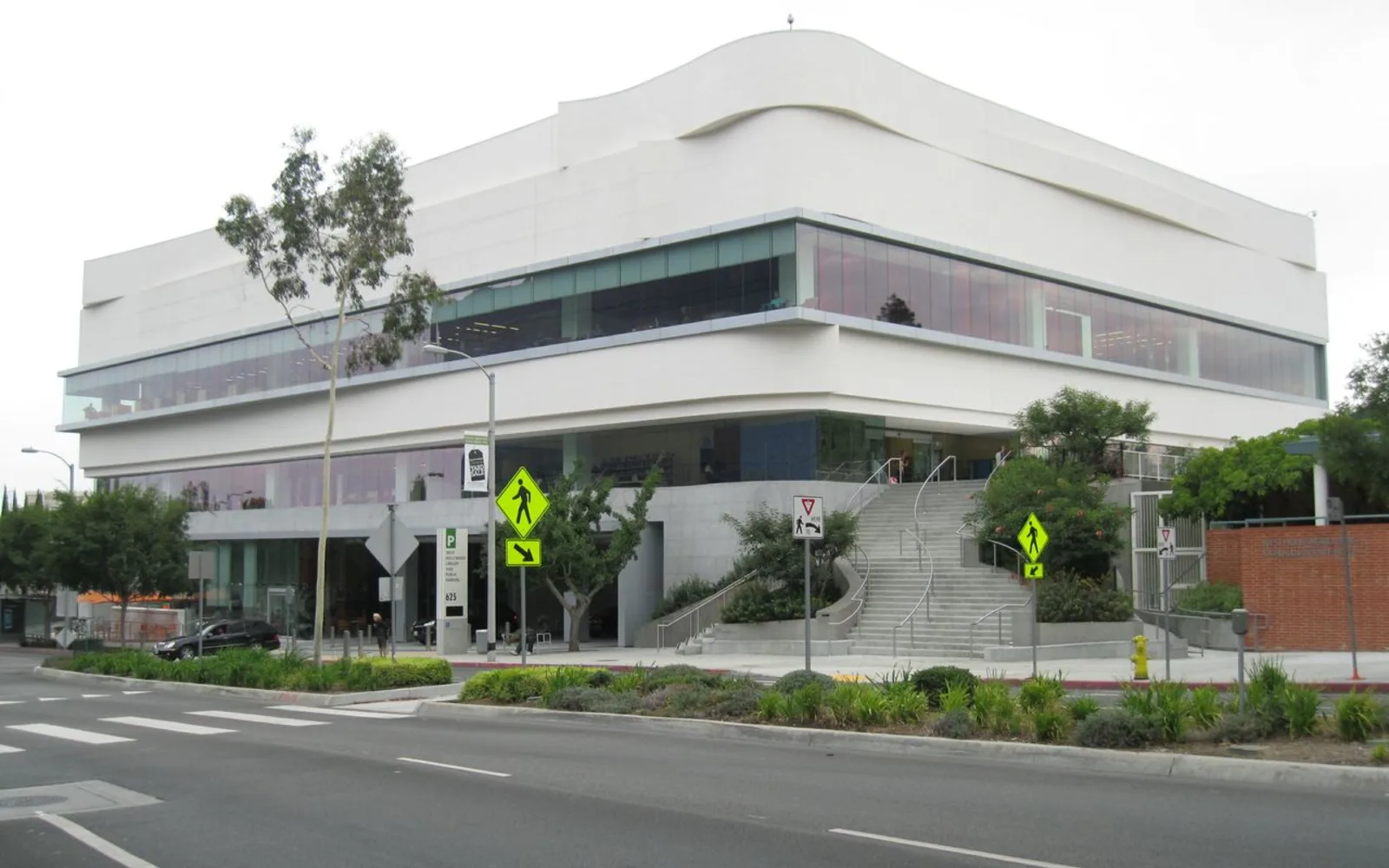
West Hollywood is built at urban density, with small lots, mixed commercial and residential uses, and narrow streets that put apartments, shops, restaurants and offices within walking distance. Many blocks feature older buildings of two to four stories, built closer to the street and to one another than suburban development patterns. This layout supports a street-level culture where residents and workers encounter each other in daily routines, and where a household can meet most needs without a car.
The compact geography shapes the economics of living here. Rents are higher per square foot because land is scarce; households tend to be smaller or multi-generational because space is costly; many residents are younger and more mobile, living as renters rather than owners. The density also creates resilience: services, employment, and community happen at a walkable scale, and the neighborhood sustains itself through the constant motion of people living closely packed lives.
In a densely urban neighborhood with high rents and smaller households, financial shocks hit harder and compound faster. A term life policy that covers a mortgage, childcare costs during working years, or a business built on a partner's income becomes protection against the specific risks of urban living—the assumption that a second income or a shared space matters to the household's stability. Term coverage sized to those real costs is how urban households plan for the what-ifs.